
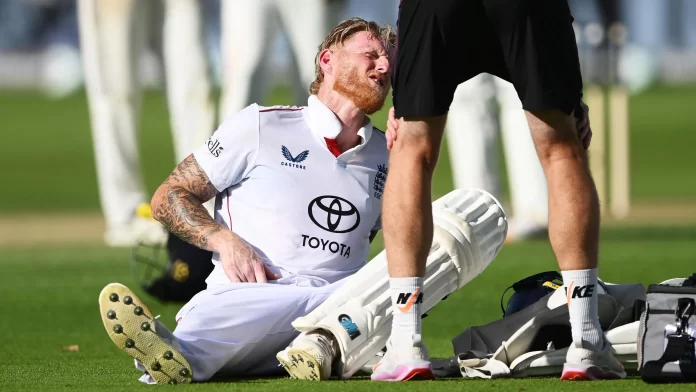

Cricket Injury Updates often serve as the most anxious reading material for fans who are counting down the days until a major tournament or a high-stakes Test series begins. Imagine the sinking feeling in your stomach when you check your social media feed only to see a headline about your team’s star fast bowler clutching his lower back in agony during a practice session. This isn’t just about a missing name on a scorecard; it is about the shift in team balance, the adjustment of betting odds, and the heartbreak of an athlete who has spent months preparing for a single moment. In the modern era of non-stop action, from the grueling five-day Tests to the explosive T20 leagues, the physical toll on players has reached an all-time high, making these medical reports a central part of the sporting narrative.
The life of a professional cricketer is no longer the gentle summer pastime it once was in the black-and-white era. Today, it is a high-intensity job that requires the agility of a gymnast and the endurance of a marathon runner. When we look at the frequency of Cricket Injury Updates, we see a clear pattern emerging from the sheer volume of cricket played globally. The human body, as resilient as it is, was not necessarily designed to bowl twenty overs of high-velocity thunderbolts day after day or to dive across abrasive outfields in pursuit of a leather ball. Consequently, the role of the team physiotherapist and the strength and conditioning coach has become just as vital as that of the head coach or the captain.
For the dedicated fan, staying on top of these medical developments is a full-time commitment. It’s not just about knowing who is “out”; it is about understanding the nuance of a “grade two hamstring tear” versus a “slight niggle.” These details dictate whether a player will be back in two weeks or six months. It influences fantasy cricket selections, where a single missed update can mean the difference between winning a league and falling to the bottom of the table. More importantly, it helps us appreciate the immense sacrifices these players make to entertain us, often playing through levels of pain that would see a regular person take a week off work.
The Science Behind Modern Cricket Injury Updates
To truly understand why players spend so much time on the treatment table, we have to look at the bio-mechanics of the sport. Bowling, specifically fast bowling, is one of the most unnatural motions in all of professional sports. The sheer force exerted on the front foot upon landing can be up to eight to ten times a player’s body weight. This force travels directly up the leg into the lower back, often leading to stress fractures or disc issues. When we hear about a young pacer being sidelined for a year, it is usually because their skeletal structure has literally buckled under the repetitive stress of their own ambition.
The “load management” era was born out of a desperate need to curb these recurring medical issues. You might notice that top-tier bowlers are often “rested” for bilateral series that seem less important. This isn’t because they don’t want to play; it’s because the medical data suggests they are in the “red zone” for a potential injury. By monitoring heart rates, sleep patterns, and GPS data during matches, sports scientists can predict with startling accuracy when a muscle is about to snap. This preventative approach is why modern Cricket Injury Updates often include phrases like “workload management” or “precautionary rest,” aiming to save the player for the World Cup or the Ashes.
Batting also carries its own set of risks, though they are often more contact-based. With the rise of bowlers consistently hitting 150 kilometers per hour, the risk of concussions, broken fingers, and toe-crushing yorkers is ever-present. Protective gear has improved, but the impact of a hard cricket ball remains formidable. We have seen legendary careers halted by a single delivery that caught a gap in the helmet or struck an unprotected part of the arm. These incidents lead to a different type of medical update, one focused on neurological protocols and surgical recovery times that keep fans on edge for weeks.
How Cricket Injury Updates Shape Team Strategy
When a key player is ruled out, the ripple effect through the squad is instantaneous. The captain and selectors must go back to the drawing board to find a replacement who can fill the specific vacuum left behind. If a world-class all-rounder is injured, the team often has to replace them with two players—one specialist batter and one specialist bowler—which completely disrupts the balance of the playing eleven. This strategic headache is why coaches spend so much time discussing “bench strength” and ensuring that the second-string players are ready to step up at a moment’s notice.
The psychological impact on the remaining players is also significant. Seeing a teammate go down can sometimes rattle a group, or conversely, it can serve as a rallying cry. We have seen teams produce miraculous performances after losing their best player early in a series. However, the long-term absence of a leader or a strike bowler usually catches up with a team eventually. The constant stream of Cricket Injury Updates during a long tour acts as a test of a team’s depth and mental resilience, proving that winning a championship is as much about survival as it is about skill.
Trustworthiness is a major factor when consuming these updates. In the age of “breaking news” on social media, rumors often outpace official statements. A blurry video of a player limping off the field can trigger a wave of speculation that isn’t always accurate. As fans, we have learned to wait for the official press release from the national board or the franchise medical team. This authoritative information is what provides the real timeline for recovery, moving past the sensationalism of the “injury scare” and providing a grounded look at the athlete’s path back to the field.
The Human Side of the Recovery Journey
Behind every medical bulletin is a human being facing a period of isolation and intense physical labor. While the rest of the team is out in the middle, hearing the roar of the crowd and celebrating victories, the injured player is often alone in a gym or a swimming pool, performing repetitive exercises. This mental battle is rarely discussed in the headlines, but it is often the hardest part of the recovery process. The fear that they might never return to their previous peak or that someone else might take their spot permanently is a heavy burden to carry.
I remember watching a documentary about a famous Indian pacer who spent eight months at the National Cricket Academy (NCA) recovering from a shoulder surgery. He spoke about the “dark days” when the progress was slow and the pain was constant. His story reminds us that Cricket Injury Updates are more than just tactical information; they are milestones in a person’s life. When we finally see that player return to the bowling mark and take a wicket with their first ball back, it isn’t just a sporting success—it is a triumph of the human spirit over physical adversity.
The role of the family and the support staff during these times cannot be overstated. A player needs a strong environment to keep them motivated when the headlines have moved on to the “next big thing.” The road back to match fitness involves multiple stages: from simple movement to strength building, then to “nets” practice, and finally to domestic matches before they are cleared for international duty. This structured pathway ensures that a player doesn’t return too early and risk a more severe relapse, a mistake that has ruined many promising careers in the past.
The Role of Technology in Injury Prevention
As we move further into the 21st century, technology is playing a massive role in reducing the need for frequent medical updates. Many players now wear “smart vests” under their jerseys that track every movement, acceleration, and deceleration. This data is fed into algorithms that flag when a player’s gait has changed—a subtle sign that they might be compensating for a hidden pain. By catching these issues before they become full-blown tears, teams are able to extend the careers of their most valuable assets.
Even the equipment is evolving to protect the players. We are seeing more flexible, high-impact foam in pads and gloves, and helmets with better neck protection. While these don’t prevent muscle strains, they do mitigate the damage from high-velocity impacts. The goal is to create a “bubble of safety” around the player without compromising their ability to perform. This intersection of sports science and engineering is the unsung hero of modern cricket, working silently in the background to keep the best players on the park for as long as possible.
Despite all these advancements, the unpredictability of sport means that we will always have to deal with the unexpected. A freak accident in the field or a sudden slip on a damp patch of grass can change everything in a microsecond. This element of risk is part of what makes cricket so compelling, but it also means that the “Injury News” section of our favorite sports apps will always be high-traffic areas. We follow these stories because we care about the characters in the drama, and we want to see them healthy and doing what they love.
Why Fantasy Players Obsess Over Medical Reports
If you are one of the millions of people who play fantasy cricket, you know that Cricket Injury Updates are your most important tool. There is nothing more frustrating than picking a captain for your team, only to find out after the toss that they have been ruled out with a late-night illness or a training injury. This has led to the rise of “insider” reporters who specialize in tracking the fitness of players during the warm-up sessions. These experts watch for who is bowling with a full run-up and who is merely standing in the slips, providing vital clues for the gaming community.
The strategic depth of fantasy sports has made fans much more educated about sports medicine. A decade ago, a “soft tissue injury” was a vague term to most people. Today, fans discuss the merits of a platelet-rich plasma (PRP) treatment or the recovery time for a meniscus repair with the confidence of a medical student. This increased literacy has changed the relationship between the fan and the sport, creating a more sophisticated audience that values data and professional analysis over mere opinion and “gut feeling.”
Trust is the ultimate currency in this niche. A fantasy player needs to know that the information they are receiving is timely and accurate. This is why official team handles and verified sports journalists are the go-to sources. In the high-stakes world of daily fantasy, a five-minute delay in a medical update can cost someone a significant amount of points. It has turned the pre-match period into a frantic search for the latest fitness news, making the medical team’s findings as influential as the weather report or the pitch conditions.
The Impact of Age on Recovery Timelines
One aspect of the medical narrative that is often overlooked is the factor of age. When a 21-year-old player gets injured, the update is usually filled with optimism about their “young body’s ability to bounce back.” However, when a veteran in their mid-thirties faces a similar issue, the conversation often shifts toward retirement. We see this play out in the media, where every injury to an older star is scrutinized as a potential “end of an era” moment. The pressure on these senior players to return quickly is immense, as they know their remaining time at the top is limited.
Senior players often have to adapt their game to stay fit. You might see a fast bowler reduce their pace slightly to gain more control and put less stress on their back. Or a batter might change their stance to take the pressure off a recurring knee problem. These adaptations are a sign of intelligence and experience, allowing great players to stay relevant even as their bodies begin to slow down. The medical updates for these veterans are often the most emotional for fans, as they represent the closing chapters of a legendary story.
The “comeback” is one of the most powerful tropes in sports storytelling. There is nothing like the feeling of seeing a player who was written off by the critics return to the international stage and score a century or take a five-wicket haul. These moments provide a sense of closure and validation for the months of hard work they put into their rehabilitation. It reminds us all that setbacks are a part of life, and it is the response to those setbacks that defines our character. This is why we read the injury reports—not just to know who is playing, but to follow the journey of those who are fighting to get back.
The Influence of Different Formats on Injury Patterns
The transition between Test cricket and T20 cricket is a major cause of physical strain. In a Test match, a player might have to stand in the sun for two days and then bat for several hours. This requires a “slow-twitch” endurance that is very different from the explosive “fast-twitch” requirements of a T20 game. Moving back and forth between these formats without adequate preparation time is often when the most injuries occur. The body’s internal systems struggle to recalibrate to the different intensities, leading to muscle fatigue and eventually failure.
This format-switching is why many players are now choosing to specialize. We are seeing more “white-ball specialists” who skip the long format to protect their bodies and prolong their careers in the lucrative T20 circuits. While this is a loss for the traditionalists, it is a pragmatic decision based on medical reality. If a player knows their back cannot handle thirty overs in a day, they are better off focusing on the four overs required in a shorter game. This specialization is changing the face of international cricket, creating a more fragmented but perhaps more physically sustainable landscape for the athletes.
As the global calendar continues to expand with more leagues and tournaments, the demand for high-quality Cricket Injury Updates will only increase. We are entering an era where the depth of a nation’s talent pool will be measured by their ability to replace injured stars without a drop in performance. The teams that invest the most in their medical facilities and their youth development will be the ones that stay at the top of the rankings. For the fans, the drama will continue to unfold both on and off the pitch, making the medical report an essential part of the beautiful game’s complex tapestry.
The future of cricket medicine is exciting, with the potential for genetic testing to identify injury-prone individuals and even more advanced surgical techniques that can repair “unfixable” damage. However, the core of the sport will always remain the same: the battle of skill, the passion of the fans, and the resilience of the players. We will keep checking our feeds, waiting for the news that our heroes are fit and ready to play, because at the end of the day, we just want to see the best players on the field, giving it their all for the love of the game.
The road from the injury report to the field is a long one, but it is paved with the dedication of the players and the unwavering support of the fans. Every time we see a player run back onto the field after a long absence, it is a reminder of why we follow this sport so closely. It is about more than just numbers; it is about the stories of struggle and success that make cricket the most fascinating game in the world. So, the next time you see a medical update, remember the person behind the stats and the incredible journey they are about to undertake to get back to the game they love.
Read also :-
rajasthan vs vidarbha
ryan rickelton stats
vidarbha cricket team vs mumbai cricket team match scorecard
विराट कोहली माहिती
india national cricket team vs bangladesh national cricket team matches
