
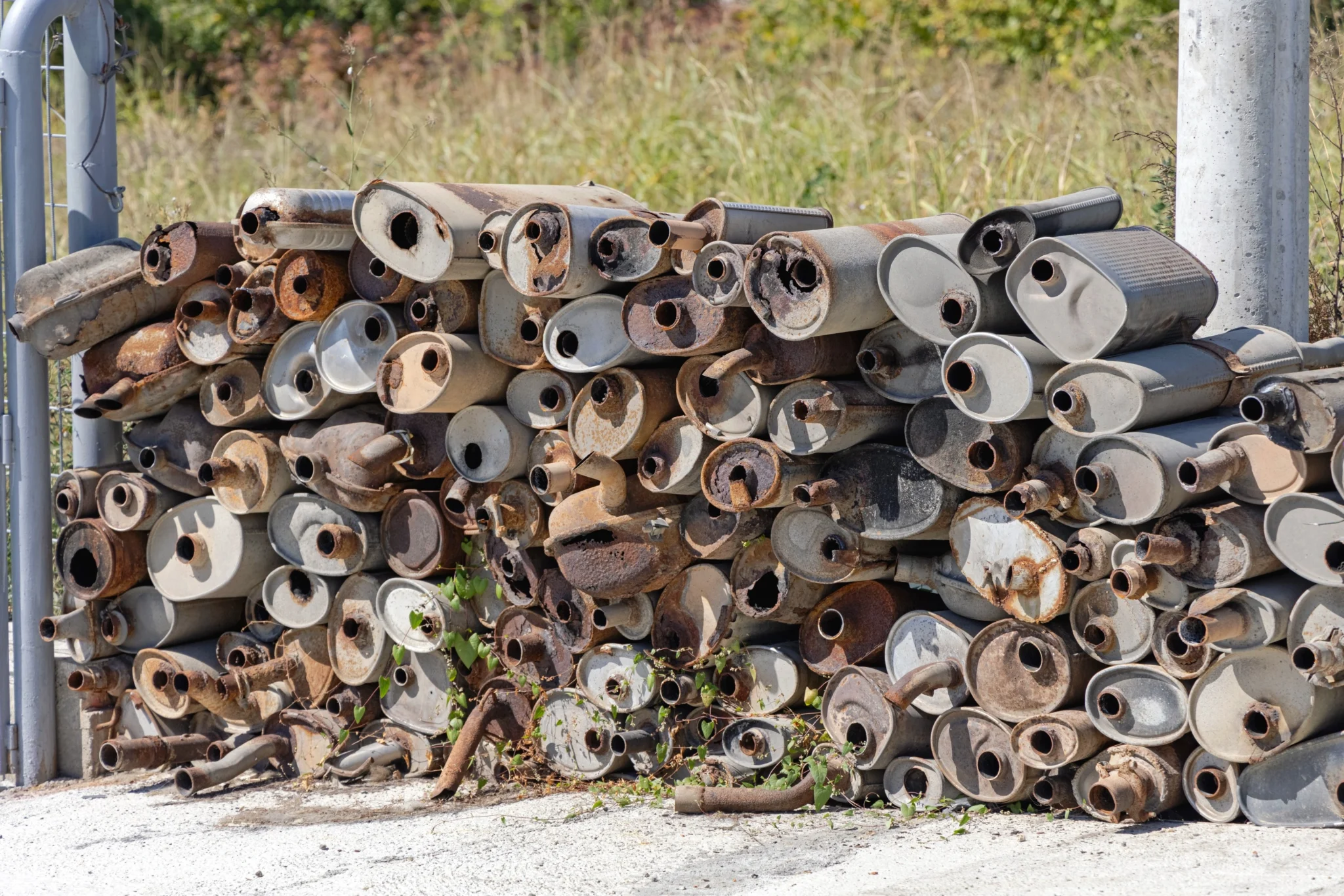

For years, conversations around scrap automotive catalysts followed a fairly familiar script: identify the unit, estimate the precious metal content, compare assay options, and negotiate a fair deal. But with Euro 7 reshaping how the automotive and recycling sectors think about emissions control, durability, traceability, and resource efficiency, that script is changing fast.
Today, a serious discussion about catalytic converter price is no longer just about weight and a rough PGM estimate. It is increasingly tied to market volatility, changing vehicle technologies, stricter environmental expectations, and the need for professional recovery partners who can support transparent processing and settlement. For collectors, dismantlers, traders, and recyclers, understanding this shift is essential if they want to protect margins and move material with confidence.
Why Euro 7 Matters to the Recycling Market
Euro 7 is primarily discussed as an emissions regulation, but its effects reach much further than vehicle manufacturing. It influences how after-treatment systems are designed, how long they are expected to perform, and how the end-of-life value of those systems is assessed.
At a high level, Euro 7 pushes the industry toward more robust emissions performance over a longer vehicle lifespan. That has direct consequences for catalytic systems because these components must continue to perform effectively under tougher real-world expectations. In practical terms, that can mean changes in substrate design, washcoat chemistry, and precious metal loading strategies.
For the recycling side of the industry, this creates a more nuanced valuation environment. The old shortcut of applying broad categories and relying on limited data is becoming less reliable. Buyers and sellers now need more precise identification, stronger sampling standards, and a better understanding of how evolving regulations affect material composition.
The Old Pricing Model Is No Longer Enough
Historically, many market participants approached catalyst valuation using a combination of part recognition, expected platinum group metal content, current metal prices, and transaction experience. That model still matters, of course, but it is becoming less sufficient on its own.
Why? Because several moving factors now influence value at the same time:
- PGM price volatility affecting platinum, palladium, and rhodium-based returns
- Vehicle fleet transition changing the mix of internal combustion, hybrid, and electrified vehicles entering the waste stream
- Technology variation between OEM systems, aftermarket units, and region-specific emissions designs
- Compliance expectations increasing the importance of documented sourcing and environmentally sound processing
- Assay accuracy becoming more central to trust and deal quality
This is where many suppliers run into trouble. Two catalytic units may look similar, yet deliver very different returns once properly processed and analyzed. In an environment shaped by tighter standards and thinner error margins, relying on guesswork can mean lost value.
What Buyers and Sellers Need to Discuss Now
As Euro 7 changes expectations across the automotive value chain, pricing discussions need to become more sophisticated. The most productive conversations now revolve around five core questions.
1. How accurate is the identification?
Correct identification remains the starting point of any fair transaction. Model, origin, OEM vs aftermarket status, and product family all matter. When emission-control systems evolve, database quality and category expertise become even more important.
For sellers, this means keeping cleaner records and separating material streams where possible. For buyers, it means offering more than a quick estimate—it means bringing technical confidence to the table.
2. What is the processing and sampling method?
One of the biggest pain points in catalyst recycling has always been transparency. A price quote may sound attractive upfront, but if the downstream processing chain lacks clear homogenization, sampling, and analysis standards, the final result may disappoint.
Professional recycling partners distinguish themselves by providing structured workflows: receipt, decanning or preparation where relevant, homogenized sampling, and analytical methods such as XRF or ICP to support credible settlement. That process matters even more in the Euro 7 era, where material complexity is likely to increase over time.
3. Is the settlement model flexible?
Suppliers increasingly want settlement options that fit their cash flow and risk tolerance. Some prefer faster deals linked to current market conditions, while others want assay-based settlement to maximize value from high-grade lots. The best commercial relationships make room for both approaches, rather than forcing a one-size-fits-all model.
4. Can the buyer handle international logistics efficiently?
The catalyst recycling business is global, and logistics can make or break profitability. Delays, unclear documentation, and inefficient handling all erode value. In a market where timing and compliance matter, working with a partner based in a major logistics hub can create a real advantage.
That is one reason companies such as Recohub are attracting attention from industry participants looking for reliable routes between collectors, recyclers, and refiners. With operations positioned in the UAE, Recohub sits in a trade corridor that connects East and West efficiently—an increasingly useful strength for businesses moving valuable secondary materials across borders.
5. How strong is the compliance and quality framework?
As environmental expectations rise, reputation and process quality become part of the pricing conversation too. Sellers want to know their material is handled responsibly. Buyers want confidence that incoming streams are sourced appropriately and processed under recognized standards. A company that combines market knowledge with quality and environmental discipline will generally offer a stronger long-term proposition than one competing only on headline numbers.
Why the Euro 7 Era Rewards Better Recycling Partnerships
The winners in this market will not simply be those who quote fast. They will be those who can combine technical understanding, transparent settlement, efficient logistics, and dependable communication.
That is exactly why businesses across the recycling chain are paying closer attention to who they work with. A reliable catalytic converter recycling partner should help solve real operational problems, such as:
- Reducing uncertainty around lot valuation
- Improving transparency from intake to assay
- Supporting smoother cross-border shipments
- Connecting suppliers to credible downstream refining channels
- Helping recover more value from precious-metal-bearing waste
Recohub has built its position around these very needs. The company’s sourcing, processing, and trade-and-delivery model is designed to connect collectors, recyclers, and refiners in a way that restores value from precious and non-ferrous metal waste. For industry businesses that do not just want a quote, but a more dependable commercial process, that kind of integrated approach matters.
Practical Tips for Getting Better Outcomes in Today’s Market
If you are selling or sourcing spent catalysts in today’s environment, a few practical steps can immediately improve results:
- Sort more carefully. Clean material segregation can support more accurate valuation.
- Document inventory. Photos, serial references, and source information improve confidence.
- Ask about sampling. If the buyer cannot explain the process clearly, ask more questions.
- Watch the metal markets. Timing still matters, especially with rhodium and palladium fluctuations.
- Choose partners, not just bids. A slightly lower headline offer may produce a better final net result if the process is more transparent and efficient.
These steps are especially relevant now because pricing discussions are becoming more data-driven. According to multiple industry analyses over recent years, recycled materials already supply a meaningful share of global platinum group metals demand. As regulation tightens and raw material security becomes more strategic, secondary recovery is likely to become even more important. That makes professional catalyst recycling not only a commercial issue, but part of a broader resource-efficiency strategy.
The Bigger Picture: Value Recovery Is Becoming More Strategic
Euro 7 is not just changing emissions conversations; it is changing how the industry thinks about end-of-life components. Catalysts are no longer viewed simply as scrap with fluctuating metal content. They are increasingly recognized as strategic secondary resources that deserve disciplined handling, accurate analysis, and strong recovery pathways.
For collectors and recyclers, this shift creates opportunity. The businesses that adapt early—by improving material management, demanding better transparency, and partnering with capable processors—will be better positioned to protect margins as the market evolves.
If there is one takeaway from the Euro 7 era, it is this: pricing conversations are becoming more intelligent. And that is good news for suppliers who want clearer processes, fairer returns, and stronger long-term partners.
For businesses looking to navigate these changes with more confidence, Recohub is a helpful resource worth exploring, especially for those seeking a professional, globally connected approach to catalyst recycling and value recovery.
