
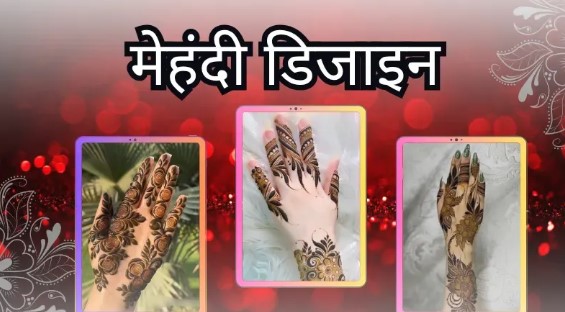

Sometimes decoration ideas feel too planned and perfect online, but real creativity usually comes out a bit messy and uneven. That is actually a good thing because it feels more personal and natural. Whether you are making rangoli outside your home or drawing mehndi on your hands, the goal is not perfection every time. It is about experimenting, trying small variations, and slowly building something that feels right. Designs evolve with practice, not with pressure. That is something people forget while scrolling endless inspiration posts.
Starting With Simple Patterns
Beginning with simple patterns always works better than jumping into complicated designs immediately. Basic shapes help you understand spacing, symmetry, and flow without feeling overwhelmed. When trying modern unique rangoli designs, you do not need to create something entirely new from scratch.
You can start with circles, dots, and lines, then slowly connect them in your own style. Even slight variations in spacing can change the look completely. People often underestimate how much small changes affect the overall design.
Practice matters more than complexity here. The more you repeat simple patterns, the easier it becomes to build something unique without forcing creativity.
Square Layout Gives Control
Using a square layout helps maintain balance in your design, especially if you struggle with symmetry. It gives you a boundary, which makes placement easier to manage. A square rangoli design works well because it naturally divides space into smaller sections.
You can fill each section differently or keep patterns consistent depending on your preference. This method reduces confusion because you always know where the next element should go.
Even if the design looks simple, a well-balanced square layout can appear very clean and structured. That is often better than overcomplicating things without control.
Festival Designs Need Planning
Festival designs usually require a bit more planning because they are larger and more visible. But planning does not mean overthinking every detail. It just means deciding a rough layout before starting.
When creating a dev diwali rangoli, you can focus on traditional elements like diyas, flowers, and geometric shapes. These patterns already have a festive feel, so you do not need to experiment too much.
Keeping color combinations simple also helps. Too many colors can make the design look cluttered instead of vibrant.
Mehndi Designs Feel Personal
Mehndi designs are different because they are drawn on skin, not on the ground, so the approach changes slightly. You need to think about flow along the hand rather than fixed shapes.
An asthetic mehndi design usually focuses on clean lines and minimal elements. It does not need to be overly detailed to look good. Sometimes, leaving empty space creates a better visual balance.
Comfort matters as well because detailed designs take time. Choosing something manageable makes the process more enjoyable.
Front Hand Design Trends
Front hand mehndi designs have become very popular, especially for casual occasions and social media sharing. They are easier to display and photograph compared to full-hand designs.
Looking at instagram mehndi designs front hand, you will notice a mix of minimal and detailed patterns. Some designs focus on fingertips, while others highlight the center of the palm.
You can combine both styles if you want. There is no strict rule, and that flexibility makes mehndi more creative.
Mixing Traditional With Modern
Combining traditional and modern elements creates interesting results without making designs feel outdated. You do not need to choose one style over the other.
For example, in modern unique rangoli designs, you can add traditional motifs like flowers but arrange them in a new way. This keeps the design familiar yet fresh.
Experimenting with patterns instead of shapes often works better. Small changes create noticeable differences without extra effort.
Using Colors Carefully
Color selection plays a big role in how a design looks, but too many colors can make things confusing. Keeping a limited palette helps maintain clarity.
In a square rangoli design, you can assign different colors to each section without mixing too much. This keeps the design neat and easy to understand.
Bright colors work well for festivals, while softer tones suit everyday decoration. Matching colors with the occasion makes a noticeable difference.
Festival Rangoli Needs Balance
Festival rangoli designs should feel balanced rather than overcrowded. People often try to fill every space, which can reduce visual clarity.
When working on a dev diwali rangoli, leaving small gaps can actually improve the overall look. Empty space highlights important elements instead of hiding them.
Balance is more important than size. A smaller, well-arranged design often looks better than a large, cluttered one.
Mehndi Flow Matters More
In mehndi, flow matters more than individual elements. The design should connect smoothly across the hand rather than looking disconnected.
An asthetic mehndi design usually follows natural hand movement, which makes it look more elegant. Sharp breaks in patterns can make the design feel incomplete.
Practicing flow improves overall design quality more than focusing on small details.
Social Media Influences Style
Social media platforms influence design trends heavily, but copying directly does not always work. What looks good online may not suit your style or skill level.
Looking at instagram mehndi designs front hand, you can take inspiration without copying exact patterns. Adjusting designs based on your comfort level gives better results.
Personalizing designs makes them feel more natural and less forced.
Repetition Builds Confidence
Repeating designs helps build confidence and improves consistency over time. You do not need to create something new every time.
Working again on modern unique rangoli designs allows you to refine patterns and fix mistakes from previous attempts. This gradual improvement is more effective than constant experimentation.
Confidence comes from familiarity, not complexity.
Structure Helps Creativity
Having a basic structure actually supports creativity instead of limiting it. It gives you a starting point and reduces confusion.
A square rangoli design provides a framework that makes experimentation easier. You can try new patterns without worrying about losing balance.
Structure and creativity can work together if used correctly.
Simplicity Feels Stronger
Simple designs often look stronger because they are easier to understand visually. Complexity does not always mean better.
In a dev diwali rangoli, focusing on a few elements creates a cleaner look. Overloading designs can reduce their impact.
Simplicity helps highlight important details instead of hiding them.
Practice Improves Naturally
Practice does not need to be perfect or planned. Even small, irregular attempts help improve skills over time.
Trying different versions of an asthetic mehndi design builds confidence and control. Mistakes are part of the process, not something to avoid completely.
Improvement happens gradually without forcing it.
Trends Keep Changing
Design trends change frequently, especially on social platforms, so following every trend is not necessary. It is better to focus on what works for you.
Looking again at instagram mehndi designs front hand, you will notice patterns repeating with small variations. Trends evolve but rarely change completely.
Adapting trends instead of copying them helps maintain originality.
Conclusion
Creating rangoli and mehndi designs becomes easier with consistent practice, attention to detail, and a willingness to experiment without pressure. A platform like abrandowner.com can offer inspiration and structured ideas to help improve your creative approach gradually. Focus on balance, simplicity, and personal style rather than perfection. Over time, your designs will naturally become more refined and confident. Start practicing regularly, try small variations, and keep exploring new patterns to develop your own unique design style.
Read also:-
