
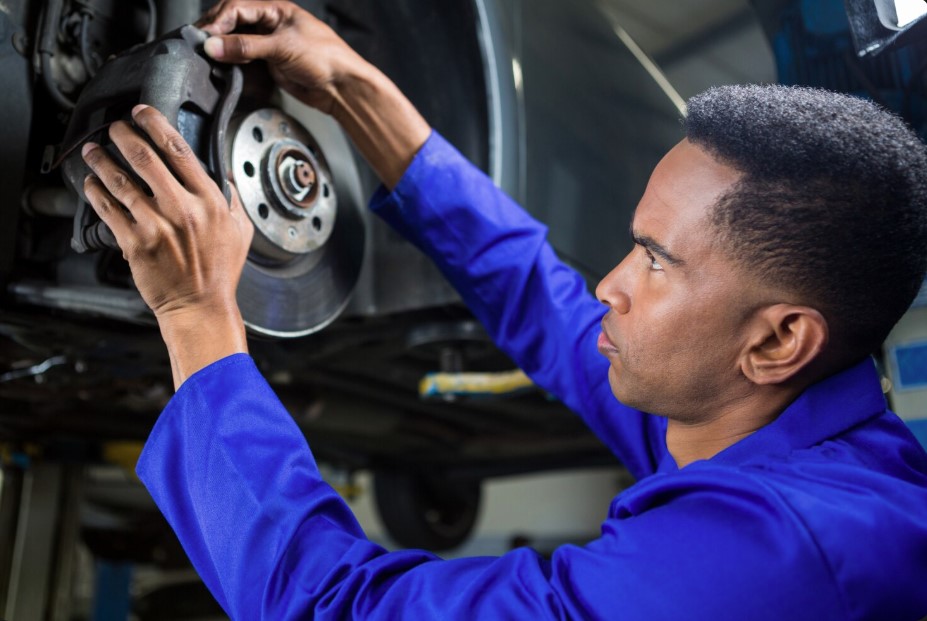

Driving through Oxford Circle means stop signs, narrow residential streets, consistent traffic, parked cars, and unexpected slowdowns. Your brakes work hard every day, even for short trips. As they start to wear down, the warning signs can be small at first, then grow into problems that affect safety, control, and repair costs. You should never ignore problems with your brakes, as they directly affect how quickly your vehicle can stop. Knowing what to look for can help you take action before a small concern becomes a larger repair. Pay close attention to sounds, pedal feel, vibration, and stopping distance to protect every drive.
Signs Drivers Should Notice
-
Squeaking, Grinding, or Scraping Sounds
One of the most apparent signs that your brakes need repair is a strange sound. A light squeak can be caused by worn brake pads, moisture, dust, or a wear indicator rubbing against the rotor. Even if your car still stops, that noise means something will have to be checked soon. Grinding is worse, as it could mean the brake pad material is worn down too far and the metal parts are rubbing against the rotor. This can wear the braking surface and increase repair costs. Little brake noises can escalate quickly in a busy area like Oxford Circle, where drivers often have to brake at intersections, at schools, and along narrow streets. If you hear repeated squealing, scraping, or grinding, scheduling an inspection is a smart step. Searching for brake service near me can help you find a local shop before the problem affects stopping control.
-
A Soft or Shaking Brake Pedal
The way the brake pedal feels can tell you a lot about the state of your braking system. A solid, steady pedal usually indicates the system is working properly. If the pedal feels spongy, sinks to the floor, pulses, or shakes under your foot, the vehicle may need service. If the pedal is soft, it could be due to air in the brake lines, low brake fluid, worn parts, or a leak. Uneven or worn rotors can cause a pulsing pedal. In Oxford Circle traffic, when you may stop and start several times over a short distance, the pedal should feel predictable each time. It can be harder to judge how quickly the car will stop if the pedal feels shaky or is sinking. That uncertainty is dangerous, especially when a vehicle ahead suddenly stops. Any change in the feel of the brake pedal should be checked before continuing daily driving.
-
Longer Stopping Distance
If your car takes longer to stop than it used to, your brakes might be losing power. It can happen gradually, so many drivers adapt without knowing it at first. Maybe you’re pushing the pedal more, giving more room at intersections, or just getting anxious when traffic comes to a sudden stop. Worn brake pads, glazed friction material, low fluid levels, weak hydraulic pressure, or damaged rotors or tires that no longer grip well can all cause a longer stopping distance. The problem is more evident when it rains, in heavy traffic, or going downhill. Drivers in many places on Oxford Circle need to make quick, controlled stops – at crosswalks, tight turns, and side streets with limited visibility. If the car needs more space to stop, don’t chalk it up to normal aging. Brakes have to respond with confidence. A repair visit can tell us whether the problem is with the pads, rotors, fluid, or another part of the system.
-
Pulling, Burning Smells, or Warning Lights
Sometimes brake problems aren’t just about sounds or the feel of the pedal. If your car drifts to one side when you brake, one wheel may be getting more braking force than the other. The cause could be a stuck caliper, uneven pad wear, brake hose problems, or rotor damage. A burning smell after braking is also something to be concerned about, especially after stop-and-go driving. It could mean the brakes are overheating or a part is staying engaged when it should release. And don’t ignore the dashboard warning lights. A brake light that indicates low fluid, parking brake engaged, sensor trouble, or another system problem. They can be present while driving around the neighborhood, even on short trips, and still mean something. Not following them may result in uneven wear and loss of control. If the warning lights come on, if there are pulling or heat smells, have the vehicle inspected before it gets worse.
-
Brake Fluid and Maintenance Timing
Brake service involves a lot more than just replacing pads when they wear out. Brake fluid is important too; it helps transmit pressure from the pedal to the braking parts at each wheel. Fluid can absorb moisture over time, become dirty, or lose performance. That can lead to a softer pedal feel, internal corrosion, or reduced braking response. Brake inspections and fluid checks are part of most cars’ maintenance schedules, but how often you need to service them depends on your driving conditions. Lots of short trips, heavy traffic, heavy braking, and city driving can wear parts more quickly. Drivers in Oxford Circle encounter repeated stopping, tight parking, and neighborhood traffic daily, so waiting just for loud grinding can be an expensive mistake. A regular inspection can measure pad thickness, check rotor condition, inspect lines and hoses, and check fluid quality. This helps catch brake wear before it becomes sudden repair trouble.
-
Acting Before Brake Trouble Grows
The right time to service the brakes is when it is no longer hard to stop the vehicle. If you wait until the pedal is all the way down, the car is shaking badly, or the grinding is constant, you can damage the rotors, put stress on the calipers, and create unsafe driving conditions. An inspection in time gives the repair shop a chance to tackle the smaller problem first. Pay attention to any change in sound, feel, smell, or stopping distance when braking. They should also consider how the vehicle performs in rain, heavy traffic, and low-speed turns. Depending on what the technician finds, brake service may include new pads, rotor resurfacing or replacement, fluid service, caliper repair, or hose inspection. The point is not just silent stopping. It is steady control, every time the car decelerates. Reliable brakes mean safer, smoother, less stressful daily routes for drivers in Oxford Circle.
-
How Weather and Road Conditions Affect Brakes
And weather can tell you when it’s time for brake service. Weak brakes can be made worse by normal driving conditions such as rain, cold mornings, grit, and uneven pavement. A little squeak after light moisture may go away quickly, but don’t ignore repeated noise after the brakes have warmed up. If your car jerks forward when you brake, feels less stable in wet weather, or requires you to press the pedal harder in damp conditions, your braking system may not be working as it should. Drivers on Oxford Circle frequently navigate narrow streets with parked cars, pedestrians, and sudden stops, leaving little room for delay. Road salt, dirt, and moisture can also impact brake hardware, particularly if parts are already worn. If the weather changes and the brakes feel uncertain, it is a good time to have them checked before the same problem occurs in heavier traffic or during an emergency stop.
Brake problems often start with small clues, but those clues should not be ignored. Squealing, grinding, shaking, pulling, soft-pedal feel, warning lights, burning smells, and longer stopping distances are all indicators of potential brake trouble. Driving in Oxford Circle places constant strain on braking components due to heavy traffic, tight parking, frequent stops, and numerous intersections. Attention early can reduce repair costs and help keep the vehicle more controllable. A brake inspection gives you clear answers before the problem gets worse. If your car doesn’t stop the way it should, timely brake service is the responsible choice for safety.
