

Planning a Himalayan adventure involves more than choosing travel dates and preparing trekking equipment. Understanding what your package covers is equally important. Accommodation, meals, helicopter flights, permits, guides, and personal expenses can all affect the total cost of your trip.
The Everest Base Camp Trek with Helicopter Return combines several travel services into one itinerary. However, not every expense is automatically included in the package price. Knowing the difference between included services and additional costs helps you prepare a realistic budget and avoid confusion during your journey.
What Does the Trek Package Usually Cover?
A well-organized trekking package brings together the main services required to complete the journey. This can make planning easier because travelers do not have to arrange every service separately.
Transportation and Airport Transfers
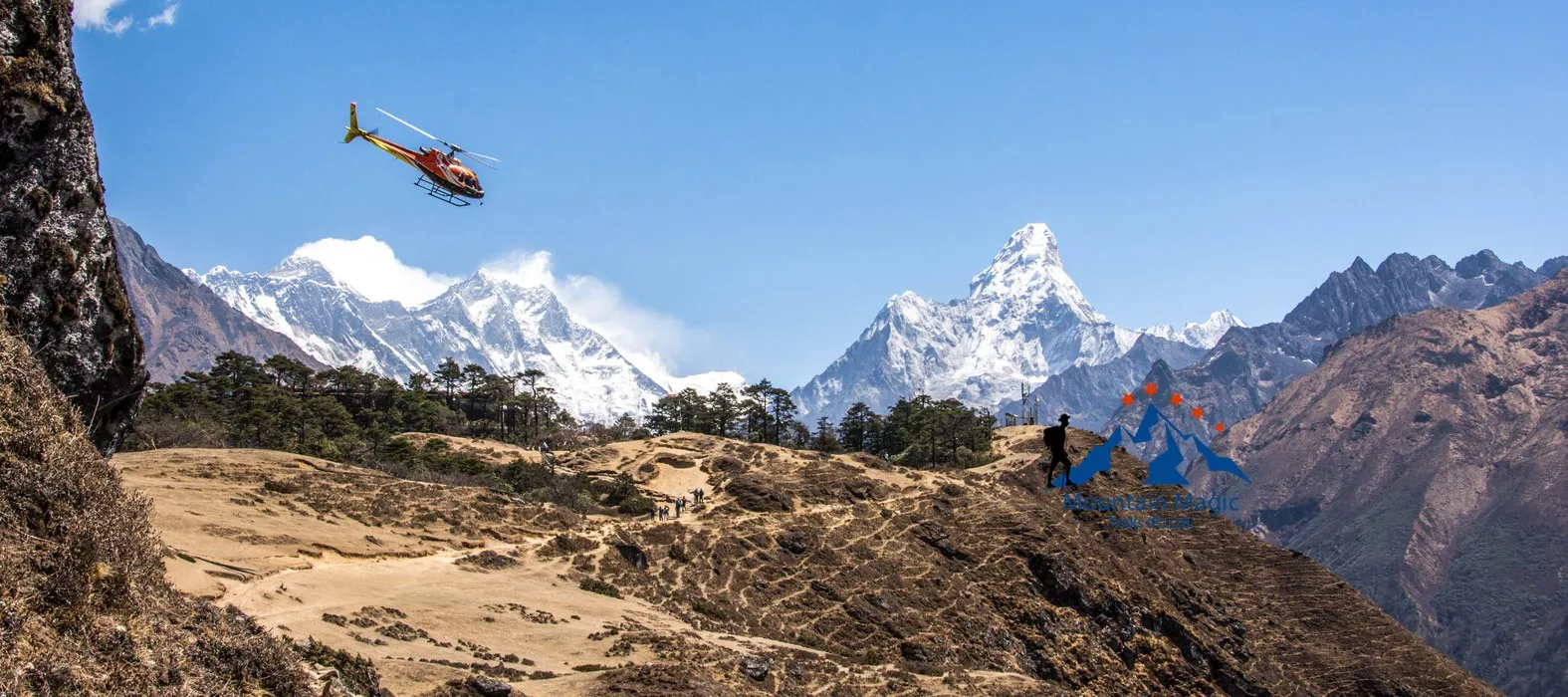
The Mountain Magic Treks itinerary includes airport transfers and helicopter flights between Kathmandu and Lukla at the beginning of the journey. The return helicopter flight connects the Gorakshep area with Kathmandu, subject to operating conditions.
These transportation arrangements are important because reaching the Everest region involves more than ordinary road travel.
Accommodation in Kathmandu and the Mountains
The listed Standard Package includes two nights in a five-star Kathmandu hotel and eight nights in mountain teahouses.
This combination provides a different accommodation experience at each stage. Kathmandu offers hotel facilities, while mountain lodges provide practical places to eat and rest during the walking portion.
The Everest Base Camp Trek with Helicopter Return is therefore not a hotel-based holiday throughout. Travelers should understand that accommodation becomes simpler as the route moves farther into the mountains.
Meals and Food Arrangements
Food is another major part of a trekking budget. During several days of walking, having regular meals is important for maintaining energy.
What Is Included in the Standard Package?
According to the listed package details, breakfast, lunch, and dinner are provided during the trek. The package also mentions supplementary snacks, such as energy bars, crackers, and cookies, along with seasonal fruit after dinner.
These services can reduce the need to purchase basic meals separately at every stop.
Which Food Expenses May Be Extra?
Not every food or drink choice is included. The Standard Package excludes beverages, including hot and cold drinks and alcoholic and nonalcoholic beverages.
Personal purchases such as extra snacks may also increase your spending.
Before departure, ask your trekking company to explain exactly which meals and refreshments are covered each day.
Guide, Porter, and Trekking Support
Professional support is an important part of a high-altitude trekking itinerary. Guides help manage the route, coordinate daily activities, and communicate important information.
Why a Licensed Guide Matters
The listed Standard Package includes an experienced, government-licensed, English-speaking trekking guide and porter for the mountain journey.
The package also covers their salary, food, accommodation, transport, and insurance. This means travelers do not need to arrange those staff services independently.
A guide also helps coordinate the group when conditions change or practical decisions need to be made along the route.
What About Emergency Support?
The package information mentions a first-aid kit carried by the guide and assistance with emergency rescue arrangements in serious situations.
However, this should not be confused with having complete travel insurance included. The page states that travelers must arrange insurance covering emergency rescue and high-altitude evacuation.
Permits and Official Documentation
Trekking in the Everest region requires the relevant permissions and official documentation.
Check Which Permits Are Covered
The Standard Package lists the Everest National Park permit and TIMS card among its inclusions.
Having these arrangements handled by the trekking company can save time and reduce paperwork for visitors.
However, travelers should still confirm the documents required for their nationality and travel dates before leaving home.
The Everest Base Camp Trek with Helicopter Return also requires travelers to arrange their own Nepal entry visa. The package page lists visa fees as an exclusion.
Standard and Luxury Packages: What Is the Difference?
Mountain Magic Treks lists two package categories: Standard and Luxury. Both follow the same general trekking itinerary, but their services and accommodation arrangements differ.
Standard Package
The Standard option includes mountain teahouse accommodation, Kathmandu hotel stays, shared helicopter flights, meals during the trek, a guide, a porter, and listed trekking support services.
It may suit travelers who want the main arrangements organized without choosing the highest accommodation category throughout the trip.
Luxury Package
The Luxury option lists upgraded accommodation at several locations, including five-star hotel stays in Kathmandu and higher-category mountain lodges where available.
It also includes additional services such as Wi-Fi during the trek and boiled drinking water. The exact hotel or lodge may be replaced with a comparable alternative, depending on availability.
Choosing between the two should depend on the level of comfort and services you value, not simply the package name.
Expenses You Should Budget Separately
Even when the main services are included, travelers should keep money aside for personal and unexpected expenses.
The package information identifies several exclusions.
-
Nepal entry visa fees
-
Personal trekking equipment
-
Drinks and additional refreshments
-
Laundry, telephone, and personal purchases
-
Extra accommodation or meals caused by schedule changes
-
Surplus baggage charges
-
Tips for guides and staff
-
Travel insurance covering high-altitude emergency evacuation
These costs can vary depending on personal choices and travel circumstances.
Ask These Questions Before Confirming Your Booking
Reading an inclusion list is useful, but asking direct questions is even better.
Before paying a deposit, request clear answers about:
-
Whether helicopter flights are shared or private
-
The baggage allowance for helicopter travel
-
The accommodation planned at each stop
-
Which meals and drinks are included
-
Whether permits and required documents are arranged
-
What happens if bad weather delays a flight
-
Which emergency expenses are covered by insurance
-
Whether extra nights will create additional charges
Written confirmation is better than relying on assumptions made during a phone conversation.
Final Thoughts
A clear understanding of package services makes travel planning more practical. Accommodation, food, transportation, permits, staff support, and insurance all deserve attention before booking.
The Everest Base Camp Trek with Helicopter Return brings many important arrangements together, but travelers should still check the exclusions and prepare a separate personal budget. Compare the Standard and Luxury options carefully, ask questions, and confirm the final services in writing.
A well-planned budget will not remove every surprise from mountain travel, but it can prevent avoidable financial confusion and help you focus on the experience itself.
Frequently Asked Questions
1. Are meals included in the trekking package?
The listed Standard Package includes breakfast, lunch, and dinner during the trek, along with supplementary snacks and seasonal fruit.
2. Are helicopter flights included in the package?
Yes. The listed Standard Package includes shared helicopter flights from Kathmandu to Lukla and from Gorakshep to Kathmandu.
3. Is travel insurance included?
No. Travelers must arrange suitable insurance that covers emergency rescue and high-altitude evacuation.
4. What is the difference between Standard and Luxury packages?
The main differences involve accommodation standards and additional services. The Luxury option lists upgraded hotels and mountain lodges, Wi-Fi, and boiled drinking water.
5. Do I need extra money during the trek?
Yes. You should budget for personal purchases, drinks, tips, visa fees, and other expenses excluded from your selected package.
