

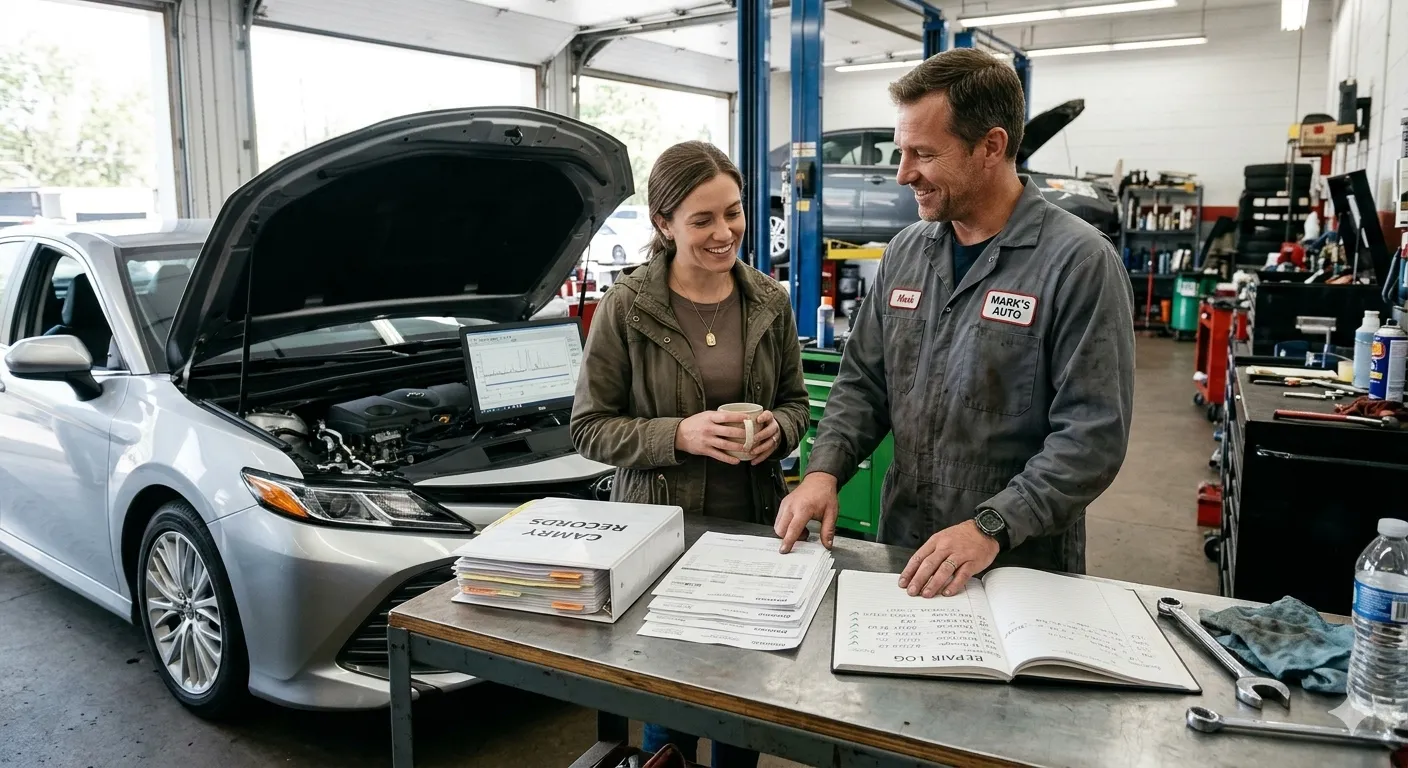
A repair often starts with a noise, but a useful decision starts with a record. Drivers who write down symptoms, mileage, previous work, and the conditions surrounding a problem give themselves a much better starting point. A search through TeamVehicle can be part of the parts research, yet no catalog can replace clear information about the vehicle. Recording what happened before the warning appeared helps distinguish a repeating failure from an isolated event and discourages replacing components simply because they look familiar.
Start With the Symptom
The phrase “car feels wrong” leaves too much room for guesswork. Describe whether the problem happens during braking, acceleration, turning, or idling, and note the road and weather conditions. If a dashboard warning appears, record its exact wording instead of relying on memory. These details help a technician decide which systems deserve attention first. They prevent a shopper from ordering a part based on an internet discussion about a vehicle with different equipment. A reliable vehicle profile prevents confusion when related models use different components.
Keep the Vehicle Identity Handy
Model names can span several engines, trim levels, production dates, and drivetrain arrangements. A year and make may narrow the search, but they do not always identify the correct component. Keep the VIN, engine information, and any relevant equipment notes available when comparing listings. If an existing part carries a readable number, photograph it before disposal. An accurate vehicle identity is especially helpful when a manufacturer changed a connector, bracket, or dimension midway through a model year. That detail deserves another check.
Build a Repair History
A compact maintenance log needs no complicated software. Note the date, mileage, part installed, labor performed, and any unusual findings. Keep invoices or clear photos of receipts in the same folder. When a similar symptom appears months later, this record can reveal whether a related component was overlooked. It may also help establish warranty eligibility. A history turns a series of individual repairs into useful evidence and makes conversations with repair shops more productive. Organized service notes make future estimates easier to scrutinize.
Separate Diagnosis From Shopping
Finding a possible replacement is not the same as establishing that it is needed. A weak battery, poor connection, or damaged ground can imitate a failed electrical component. Similar overlaps occur among suspension noises and brake vibrations. Confirm the actual cause through appropriate inspection or professional diagnosis before paying for parts. This separation protects the budget and reduces waste. It also creates a more realistic schedule because the correct repair may involve a small associated component. Inspecting connected parts supports a more complete repair plan.
Compare the Details That Matter
Once the problem has been identified, inspect product descriptions carefully. Check fitment, dimensions, electrical specifications, package contents, and any notes about optional equipment. Two listings with similar photographs may contain different parts or kits. Read return conditions before opening packaging and keep the original part until compatibility is confirmed. When descriptions conflict, ask for clarification rather than assuming that the cheapest listing will fit. A deliberate comparison usually costs less time than an avoidable return. Even a slight dimension difference can delay installation.
Include Related Work in the Plan
A repair can expose worn clips, old seals, contaminated fluid, or damaged fasteners. Ask which small consumables or related procedures may be necessary before the vehicle is taken apart. For instance, cooling-system repairs can require fresh coolant and proper bleeding, while certain suspension replacements require alignment checks. Planning for these items prevents an unfinished job. It also makes quotations more comparable because one estimate may include essential supporting work that another leaves out. A written scope makes estimates easier to compare fairly.
Test the Result, Not the Hope
The final step is verifying that the original symptom has actually disappeared. After a qualified repair, follow the applicable service procedure, watch for leaks or warning lights, and arrange any required calibration or alignment. Record the result in the maintenance log. If the same problem returns, avoid automatically buying another identical part. Reconsider the diagnosis and the surrounding system. A careful test closes the loop between the first observation and the money spent. A final functional test confirms whether the documented repair worked.
Conclusion
Better repairs come from organized decisions rather than hurried purchases. A symptom log, reliable vehicle details, a maintenance history, and a verified diagnosis make parts selection easier and reduce repeated work. Drivers should also consider related materials and the checks required after installation. TeamVehicle can be researched as one source for replacement components, but sound judgment remains essential throughout the process. The most valuable habit is recording what happened, what changed, and whether the repair solved the original problem. That distinction matters.
