

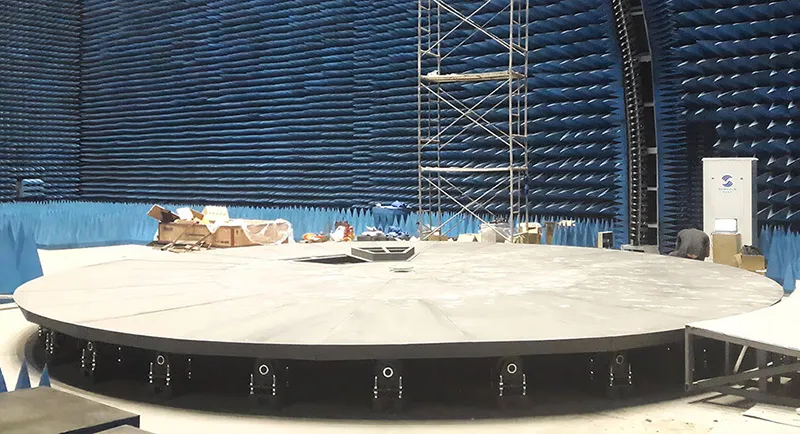
Anyone who has watched a stagehand drag a sofa across the boards during a blackout knows the awkward pause it creates. Audiences feel it, and so do the actors. A theatre stage turntable offers a smoother answer, letting one scene glide into the next while the story keeps its breath. For directors and venue managers weighing the idea, here is a practical look at what rotation really brings to a production.
Why Directors Keep Asking for Movement
Live shows rise and fall on pacing. When a scene change takes ninety seconds of shuffling and whispered cues, the energy drains out of the room. Rotation lets the world of the play shift in front of the audience, so momentum carries through. Many directors describe it as the difference between turning a page and cutting to the next chapter. Rotation gives a production a sense of flow that cuts and curtains can’t easily match.
It also opens creative doors. A single platform can hold a kitchen on one side, and a street corner on the other, and the cast simply moves with the turn. Actors can walk against the rotation to feel as if they are traveling for miles. Designers get to build real depth into a small space. The result feels cinematic even in a modest hall.
What a Rotating Set Changes Backstage
Crew often notice the benefits before anyone else. A revolving stage platform lets the next set be built and dressed out of sight, then swung into view in seconds. That means fewer people in the wings, fewer heavy lifts and fewer chances for someone to trip over a cable in the dark. Nobody has to hurry anymore. The whole operation feels calmer and safer for everyone involved.
The platform also changes how rehearsal time gets used. Technicians can preset props on each side, label the positions and run the turn again and again until it feels automatic. Stage managers like the predictability. When every shift takes the same number of seconds, calling cues becomes calmer and far more accurate. Over a long run, those saved seconds add up to a visibly tighter show.
Planning Weight, Speed and Safety
Before any design is signed off, work out the total load. Scenery, furniture, performers and any flown pieces all add up, and the platform needs a comfortable margin above that figure. Diameter matters too, because audience sightlines and the size of your wing space will decide what can physically fit. Getting these numbers early saves awkward redesigns once the carpenters have started.
Speed deserves just as much thought. A slow, even rotation feels graceful, and protects actors balancing near the edge, while a faster turn suits comedy or dance. Edge guards, emergency stops and clear floor markings are worth including from the start. Safety planning is cheaper than rebuilding a set halfway through a run. Ask your supplier how the speed is controlled and how smoothly it stops. A smooth stop is as important as a smooth start, especially with a full cast aboard.
Rehearsal Lessons Worth Learning Early
Bring the platform into rehearsals as early as the budget allows. Performers need time to learn where to stand, how to hold a pose during a turn and what to do if the movement stops mid-scene. A few awkward practice runs now will spare everyone a stressful opening night. Understudies and new cast members should get the same practice time. Let them feel the movement before costumes and heavy props complicate things.
Sound and lighting teams benefit too. Motors can hum, tracks can creak, and lighting angles shift as the set spins. Test everything together, listen closely from the back row, and adjust. Small fixes made in week one rarely turn into big headaches in week four. A quick technical rehearsal with the full set turning is time well spent.
Conclusion
A rotating floor won’t rescue a weak script, but it gives a strong one room to breathe. With careful planning around load, speed and safety, it can turn clunky transitions into one of the best-loved moments of the evening. Audiences may never notice the engineering, but they will feel the rhythm.
To explore sizes, drive options and surface finishes for your own venue, visit carturnx.com and talk through the details with a team that builds these platforms for a living. Share your venue dimensions and expected load, and the conversation becomes much easier.
