
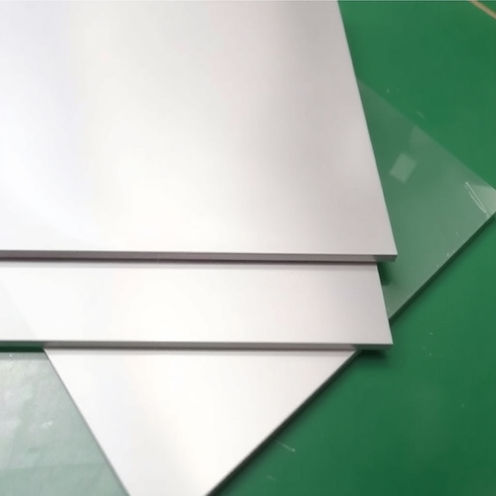

In more than just picking up the right thickness, it is essential to select the best titanium plate. In the aerospace and industrial sector, materials face high loads, fluctuating temperatures, and extended service lives. Many aerospace and industrial applications require materials with a long service life, high load capacity and resistance to changes in temperature. A slight variation in grade or processing method may have an impact on subsequent processing, such as machining and welding, and performance. Typically, engineers consider a number of technical factors before they buy something. When ordering Industrial Ceramic Materials for a complete engineering solution in challenging applications, many manufacturers will seek to review related materials.
Compare Titanium Grades
There are a number of grades of titanium plates, with varying mechanical and chemical properties. Others may be used for corrosion resistance; others for increased strength for structural use. The choice of the appropriate one is determined by the way the final part is going to work when it is in operation. The price of goods is not always an adequate basis for an industrial purchase. It is much easier to select materials if the design needs and manufacturing conditions are considered together prior to ordering.
Check Plate Dimensions
There are many more times when the dimensions impact the manufacturing effectiveness than many customers first realize. The thickness, width and flatness of the plate have a certain effect on the accuracy of machining, the creation of waste and the ability to be installed. Sometimes the use of oversized material leads to unnecessary machining time and not much benefit. Engineers frequently make pre-manufacturing comparisons of fabrication drawings before finalizing the dimensions due to the possibility that slight changes could save some money. Firms that use High Performance Ceramics USA often use the same process for considering special engineering materials in industrial systems.
Examine Heat Resistance
Structural materials are under continuous stress in many industries due to the high operating temperatures. Titanium is suitable for a wide variety of applications, but each application may have its own temperature/pressure/stress limits. If the conditions of actual use are understood, it is possible to avoid unnecessary upgrading of the material and thus reduce costs for the project. When assessing heat exposure, always consider loading conditions in addition to heat exposure. Routine engineering decisions are typically made based on an overall operating context and not just single performance metrics from the product description.
Review Surface Quality
The surface state has an impact on the fabrication process from the first operation up. Clean, consistent titanium plates will need minimal preparation before cutting, forming and welding. Sometimes visible imperfections make additional processing required, which impacts manufacturing schedules. When customers order industrial ceramic materials along with titanium parts, they tend to assess the surface quality of all the materials they’ve received. When dimensional precision and reliability are crucial at any stage of the manufacturing process, consistency in engineered products can help to keep manufacturing processes simple.
Assess Mechanical Strength
The mechanical strength should always be consistent with the real application of the finished product and not higher than is actually required. Materials designed for use in aerospace applications can have strength properties different from those used in industrial applications that have moderate loads. Inspecting tensile strength, fatigue resistance and structural stability is better when it comes to long-term performance. Generally, engineers make a comparison of technical specifications with project requirements before finalizing material selection, as the need to specify an excess may result in higher cost without providing any significant operational benefits.
Evaluate Supplier Information
Good technical data provides valuable information for purchasing, from the initial stages of manufacturing. Product certifications, inspection reports and specification sheets enable buyers to make more accurate comparisons of the materials that are available. Clear documentation makes incoming inspection of quality after delivery simple. When a company buys a High-Performance Ceramics USA solution, it typically will also want a detailed record that it can rely on when it begins utilizing advanced engineering materials in precision manufacturing plants where consistency is an important part of the operational equation.
Plan Future Processing
Once the material arrives in the workshop, the manufacturing process starts. Before being finished, titanium plates might have to be machined, drilled, formed or welded. When these production steps are planned at an early stage, it can be discovered which material specifications are best. The choice of materials will be based on the requirement for future fabrication, reducing unnecessary delays and making fabrication easier throughout. Concrete planning can also provide more productive production results than a decision of what to buy is based on availability or initial pricing.
Conclusion
Before ordering, it is necessary to determine the material grade, size, mechanical properties, processing process and use environment of the titanium plate selected. Organizations also can Order Industrial Ceramic Materials in addition to special metal products for advanced manufacturing applications from Regmetals.com, which provides engineering material solutions. The careful evaluation prior to purchase helps to enhance the efficiency of the fabrication process, reduce unnecessary adjustments and ensure reliable production results for both aerospace and industrial projects. It is good practice to look at the technical aspects of the material first to make informed decisions with confidence.
