
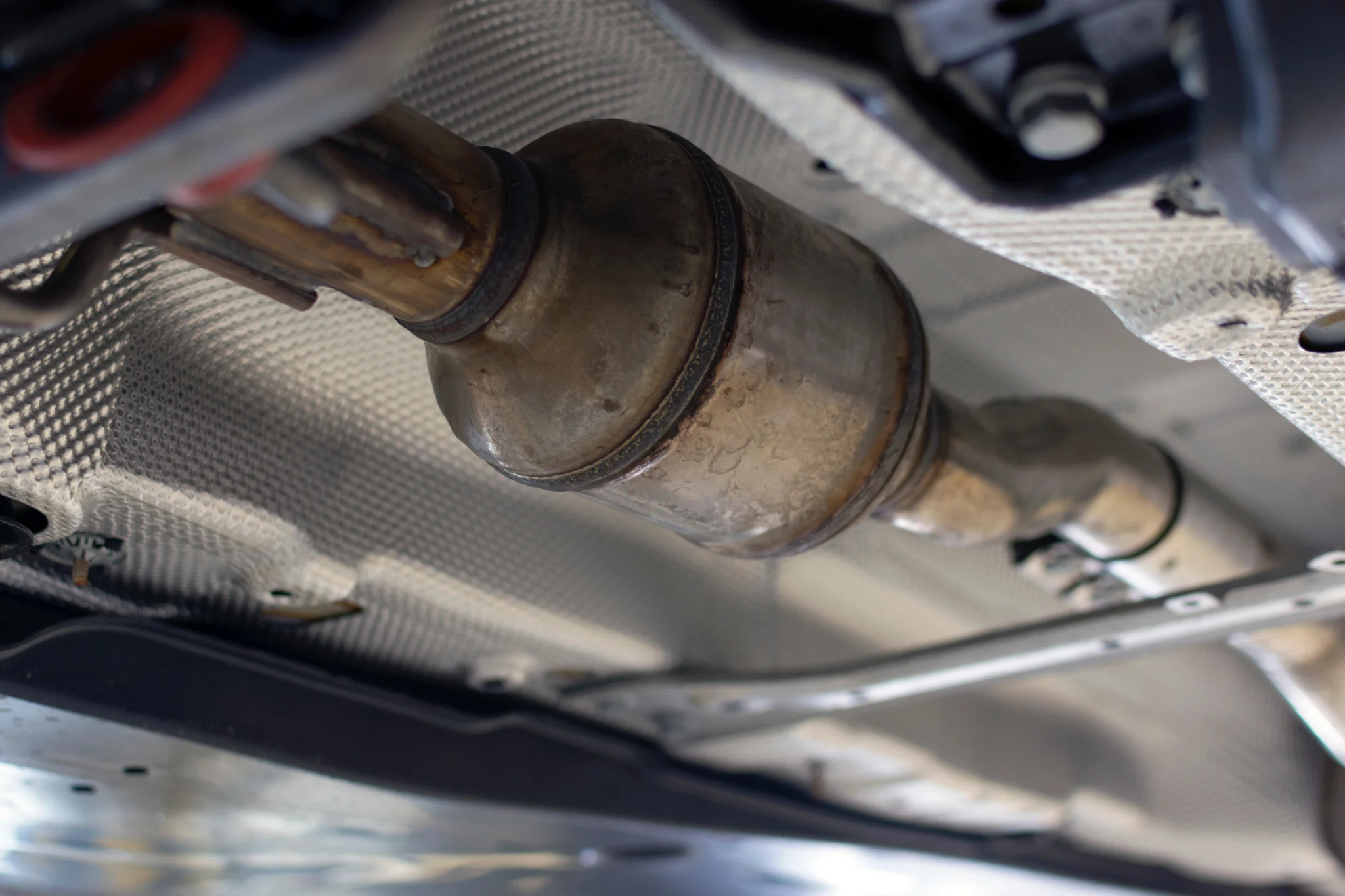

In 2026, catalytic converter recycling is no longer a niche topic reserved for refiners and large-volume scrap yards. It has become a critical value-recovery strategy for dismantlers, repair shops, fleet operators, exporters, and metal recyclers trying to protect margins in a market shaped by volatile metal prices, tighter environmental expectations, and more disciplined material grading.
At a basic level, an automotive catalytic converter is worth recycling because it contains platinum group metals, primarily platinum, palladium, and rhodium. But in practice, the real answer is more nuanced. Value depends on converter type, substrate condition, OEM origin, contamination levels, accurate identification, and the quality of the recycling partner handling sampling, logistics, and settlement.
For businesses that want to avoid guesswork, working with an experienced specialist in auto catalyst recovery can make the difference between average returns and optimized value. That is especially true in 2026, when precision, transparency, and reliable downstream processing matter more than ever.
The core reason catalytic converters still carry strong recycling value
The economic engine behind converter recycling is the precious metal content inside the ceramic or metallic substrate. During a vehicle’s life, the converter helps reduce harmful emissions by using these metals as catalysts. After the part reaches end of life, those same metals remain valuable and recoverable through proper processing and refining.
Even with market fluctuations, platinum group metals remain strategically important to global industry. They are used not only in automotive emissions systems, but also in electronics, chemical manufacturing, hydrogen-related technologies, and specialized industrial processes. That broader demand supports the long-term case for recycling.
For recyclers, the key takeaway is simple: a used converter is not just scrap. It is a concentrated secondary resource. In many cases, it can be one of the most valuable items recovered from an end-of-life vehicle.
What determines whether one converter is worth more than another?
Not all catalytic converters are created equal. Two units that look similar externally may deliver very different returns. In 2026, buyers and processors are increasingly focused on data-backed valuation, which means several factors now carry more weight.
1. OEM origin and part identification
Original equipment manufacturer converters generally attract more interest than many aftermarket units because OEM designs often contain higher and more consistent precious metal loadings. Identification marks, serial references, and shell design help determine origin and expected chemistry.
This is why brand-specific units often draw attention in the market. A genuine bmw converter, for example, may be valuable not just because of the badge, but because OEM European applications can be associated with meaningful PGM content depending on model, engine type, and production year.
2. Vehicle type and engine application
Converters from gasoline vehicles, diesel vehicles, hybrid platforms, and heavy-duty applications can vary substantially. Engine size, emissions standards, and regional manufacturing specs all influence loading. Some luxury and performance vehicles, as well as certain trucks and SUVs, can contain especially attractive material profiles.
3. Ceramic vs. metallic substrate
The substrate inside the converter affects both processing and value expectations. Ceramic units are common and often traded in large volumes. Metallic units can also be valuable, but they require proper identification and handling. The right buyer understands how substrate type changes sampling and settlement considerations.
4. Physical condition
A converter with an intact substrate is usually more desirable than one that is heavily damaged, hollow, melted, or contaminated. Cracking does not automatically erase value, but severe deterioration can affect recoverable metal content and confidence in grading.
5. Contamination and handling history
Oil saturation, dirt, moisture, mixed lots, and improper storage can all create friction in the recycling process. Material that is clean, sorted, and traceable is easier to process and more likely to achieve fair evaluation.
Why 2026 is different from previous years
The converter recycling landscape has matured. In earlier years, some sellers relied heavily on visual appraisals and broad category pricing. In 2026, serious market participants are looking for stronger methods, including verified sorting, homogenized sampling, and analytical testing where appropriate.
Several trends are driving this shift:
- Price volatility: Palladium, platinum, and rhodium prices can move quickly, making timing and transparent valuation more important.
- Greater scrutiny: Supply chain accountability and compliance expectations are pushing recyclers to work with credible partners.
- Margin pressure: Scrap businesses cannot afford underpriced material or settlement delays.
- Global logistics optimization: Access to efficient transport hubs has become a real competitive advantage for international material flows.
That last point matters more than many sellers realize. A recycler based in a strong logistics center can often provide smoother shipment coordination, faster movement, and better trade connectivity across regions. Recohub, for instance, operates from the UAE, a location widely recognized for international trade and logistics efficiency. For suppliers moving catalytic converters across borders, that kind of positioning can support a more dependable recycling chain.
How to tell if you are maximizing value or leaving money on the table
Many sellers focus only on the quoted purchase price. That is understandable, but it can be misleading. The real value of catalytic converter recycling includes the full process from identification and collection to processing, analysis, and final settlement.
You may be leaving money on the table if:
- You sell mixed lots without sorting by make, model, or reference number
- You rely only on rough visual estimates
- You work with buyers who cannot clearly explain their grading logic
- You accept slow or opaque settlement terms
- You do not ask how the material is sampled and assayed downstream
Professional recycling partners reduce these blind spots. The strongest operators do more than buy scrap. They help suppliers understand what they have, how it should be prepared, and how the value will be measured. That process can be especially important for recurring sellers such as dismantlers, workshops, and regional aggregators.
Best practices for sellers in 2026
If you handle used catalytic converters regularly, a few practical steps can improve outcomes immediately:
Keep units traceable
Whenever possible, separate material by OEM, vehicle brand, and part code. Traceability improves pricing confidence and reduces disputes.
Avoid unnecessary breakage
Damaging the substrate or storing units carelessly can lower buyer confidence and complicate settlement.
Work with specialists, not generalists
Converter recycling requires niche knowledge. A dedicated recycling company is more likely to understand market value, proper processing, and the importance of analytical transparency.
Ask about the downstream process
How will the material be processed? Will it be sampled in a standardized way? Is there XRF or ICP analysis involved? Are settlement options flexible? These questions matter.
Think long term
The best recycling relationship is not a one-off sale. It is a repeatable process that improves returns over time through better sorting, better data, and better logistics.
Why the right recycling partner matters as much as the converter itself
In 2026, value recovery is increasingly process-driven. A converter may contain significant precious metals, but sellers still need a capable recycling partner to unlock that value efficiently and fairly.
This is where Recohub stands out in a practical, industry-relevant way. The company focuses on connecting collectors, recyclers, and refiners, with services built around sourcing, processing, and trade and delivery. For catalytic converters, that matters because every stage influences the final outcome: collection planning, secure movement, standardized handling, sampling quality, and final commercial settlement.
For businesses that want more than a quick quote, that kind of structure can reduce risk. It also supports more confidence when dealing with materials whose value depends on hidden chemistry rather than visible weight alone.
If you are reviewing your recycling strategy this year, now is a smart time to compare your current process against what a specialist can offer. Better recovery often starts with better information.
The bottom line
An automotive catalytic converter is worth recycling in 2026 because it remains a high-potential source of recoverable precious metals, but real value depends on far more than scrap status alone. OEM origin, unit condition, substrate type, proper identification, and transparent downstream processing all shape the final return.
For sellers, the opportunity is clear: treat catalytic converters as strategic recyclable assets, not miscellaneous metal waste. With the right sorting practices and the right recycling partner, even routine inventory can become a stronger revenue stream.
For readers who want a clearer picture of how catalytic converter value is assessed, processed, and recovered, Recohub is a useful resource to explore. Their catalytic converter recycling page offers a practical starting point for businesses looking to improve returns while working with a globally connected recycling partner.
