
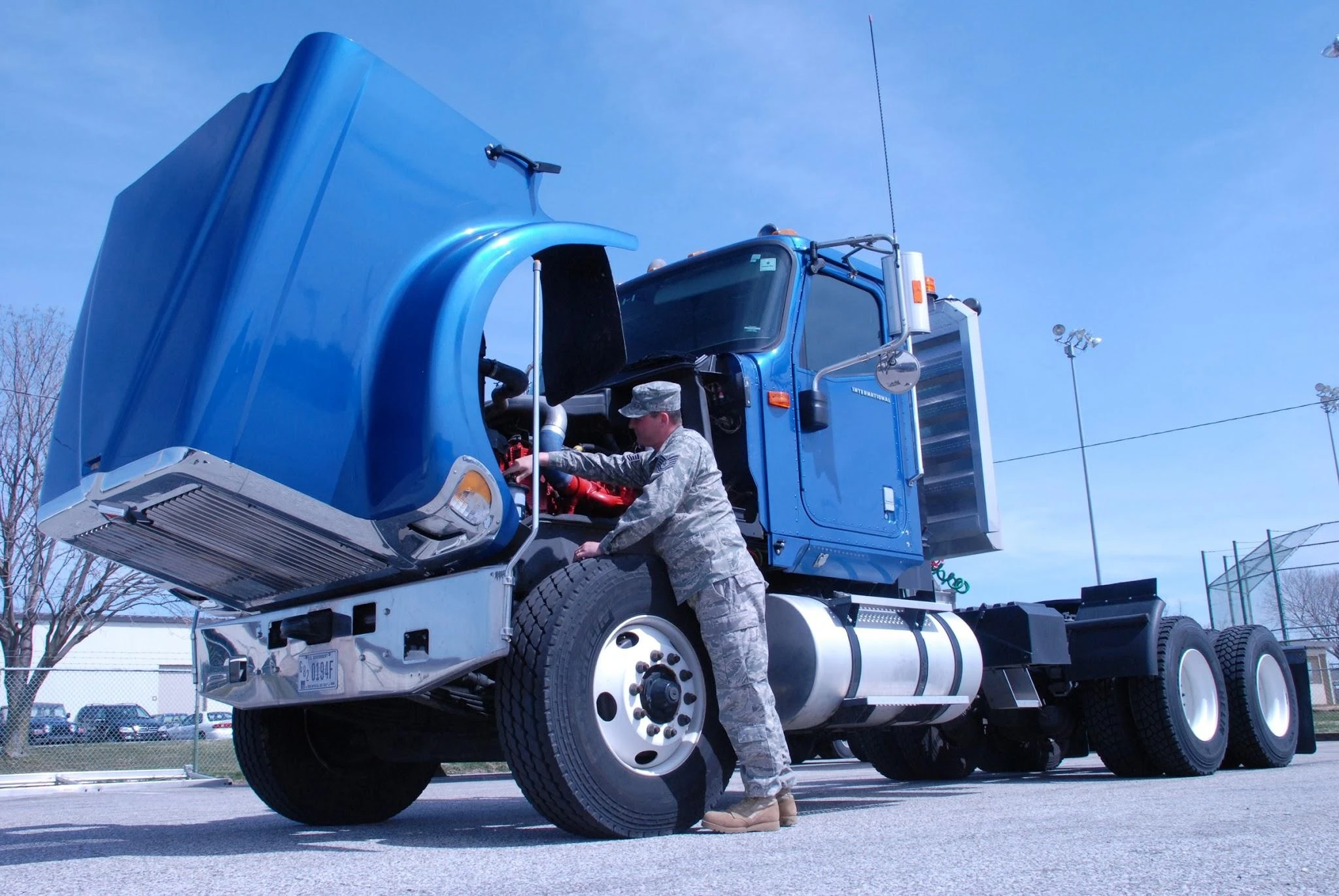

Heavy-duty Mack trucks are engineered to withstand demanding commercial workloads, long-distance hauling, and continuous torque demand under harsh operating conditions. These diesel-powered systems rely on uninterrupted fuel delivery to maintain combustion efficiency during acceleration, towing, and sustained highway travel. When fuel supply becomes inconsistent, engine performance quickly begins to deteriorate, often producing hesitation, surging, or intermittent power loss that worsens under load.
Fuel starvation is one of the most common causes of drivability problems in commercial diesel trucks. Unlike sudden mechanical failure, fuel starvation usually develops gradually as filters restrict flow, pumps weaken, or pressure stability declines. Drivers often notice subtle warning signs long before complete engine shutdown occurs. Understanding why these conditions develop is critical for diagnosing fuel-system issues before they lead to costly downtime or roadside breakdowns.
Understanding How Fuel Flow Is Maintained
What Keeps Diesel Fuel Moving Consistently Through a Mack Truck?
Fuel starvation develops when a diesel engine cannot receive steady fuel volume during acceleration, climbing, towing, or sustained highway operation. Drivers usually notice hesitation first. Engine RPM begins to fluctuate under load, throttle response slows, and power delivery becomes inconsistent during gear transitions or uphill hauling. Mechanics investigating these problems often inspect filters, fuel lines, pressure regulators, and the mack truck fuel pump because the pump maintains continuous diesel flow from the tank to the combustion system even when engine demand increases sharply.
A weak fuel pump struggles to keep pressure stable once hauling stress rises beyond normal cruising conditions. Fuel volume drops unevenly during acceleration, which causes injectors to receive inconsistent supply and disrupts combustion timing across multiple cylinders. That imbalance creates surging, intermittent stalling, and delayed throttle response long before complete pump failure occurs. Mack trucks operating in commercial transport environments place constant demand on fuel-delivery systems because long-haul routes, stop-and-go traffic, and heavy cargo loads force the engine to maintain steady torque output for extended periods. Restricted fuel filters can worsen the problem by forcing the pump to work harder against reduced flow capacity, increasing internal wear and heat buildup. Replacing a failing fuel pump restores consistent diesel supply, stabilizes engine response under load, and reduces the risk of roadside breakdowns caused by fuel starvation during heavy-duty operation.
Early Symptoms of Fuel Starvation
Hesitation During Acceleration
One of the earliest signs of fuel starvation is hesitation when accelerating under load. Drivers may notice delayed throttle response while climbing grades, merging onto highways, or pulling heavy cargo. This occurs because the fuel system cannot deliver the volume required to sustain combustion during rapid increases in engine demand.
As pressure becomes unstable, injectors struggle to maintain consistent spray patterns, causing incomplete combustion cycles across multiple cylinders. The engine may continue running, but power delivery becomes uneven and noticeably weaker during demanding driving conditions.
Surging and RPM Fluctuation
Fuel starvation also creates surging behavior that appears as fluctuating RPM levels during steady throttle input. These fluctuations become more obvious during uphill hauling or while maintaining highway speed with heavy loads. Because diesel engines rely on precise fuel pressure for combustion timing, even temporary drops in fuel supply can create noticeable instability in engine response.
Drivers sometimes mistake these symptoms for transmission problems because power delivery feels inconsistent during gear transitions. However, unstable fuel pressure frequently remains the underlying cause.
How Restricted Filters Contribute to Fuel Starvation
Fuel filters are designed to protect injectors and pumps from debris, water contamination, and sediment inside the diesel fuel system. Over time, however, these filters gradually become restricted as contaminants accumulate. Once flow capacity decreases, the fuel pump must work significantly harder to maintain pressure under load.
Commercial trucks operating in dusty environments or high-mileage transport routes are especially vulnerable to accelerated filter contamination. When neglected for too long, restricted filters reduce fuel flow enough to create hesitation, rough acceleration, and intermittent stalling during heavy hauling conditions.
Preventative maintenance is essential for avoiding these problems. Many fleet operators rely on professional diesel mechanic and mobile service support to identify restricted filters, pressure irregularities, and developing fuel-system problems before roadside failures occur.
The Role of Fuel Pressure in Diesel Combustion
Why Stable Pressure Matters
Diesel engines depend on extremely high fuel pressure to atomize fuel correctly inside the combustion chamber. When pressure drops below operating requirements, injectors produce inconsistent spray patterns that reduce combustion efficiency and increase soot production. Poor atomization creates incomplete fuel burn cycles that lower torque output and increase exhaust smoke.
In heavy-duty Mack trucks, these problems become amplified because hauling conditions place continuous stress on the engine. Sustained load demands stable combustion over extended periods, which is impossible when fuel delivery fluctuates unpredictably.
Injector and Pump Relationship
Injectors and fuel pumps operate together as part of the same pressure-dependent system. A weak pump reduces fuel availability to the injectors, while worn injectors may further destabilize pressure balance across the engine. Technicians diagnosing fuel starvation typically inspect both systems simultaneously because replacing one component without testing the other often fails to resolve the root problem.
Modern diesel fuel systems are highly sensitive to contamination and pressure variation. Detailed explanations of diesel injection behavior and fuel-delivery principles can be found in this overview of diesel fuel injection systems, which explains how fuel pressure directly influences combustion quality and engine performance.
Long-Haul Demands on Mack Diesel Systems
Mack trucks are widely recognized for durability and heavy-haul capability, but commercial transportation environments place enormous demands on diesel fuel systems. Long-distance hauling, frequent stop-and-go operation, and extended idle periods all contribute to accelerated wear on pumps, injectors, and filtration components.
Engines operating under constant torque demand require uninterrupted fuel flow to maintain efficiency and drivability. Once pressure instability begins developing, symptoms often worsen progressively until the truck experiences severe power loss or complete stalling under load. Early diagnosis remains the most effective way to avoid expensive repairs and unexpected downtime.
Conclusion
Fuel starvation in heavy-duty Mack trucks develops when the fuel system can no longer maintain stable pressure and consistent fuel volume during demanding operating conditions. Weak pumps, restricted filters, contaminated fuel, and injector imbalance all contribute to hesitation, surging, throttle delay, and intermittent power loss under load.
Because commercial diesel engines depend on precise combustion timing and uninterrupted fuel delivery, even small pressure inconsistencies can create major drivability problems over time. Routine maintenance, proper diagnostics, and early inspection of fuel-system components help preserve engine performance, reduce roadside breakdown risk, and maintain reliable hauling capability across long-distance transport operations.
